When Megan Mulready injured her back last year, the situation led to an unexpected connection between her role as an athletic trainer and the firefighting community. Her proactive approach and dedication have now transformed into a valuable initiative that aims to keep first responders injury-free.
Megan Mulready, an athletic trainer and assistant clinical professor at Northern Arizona University (NAU), is spearheading pro bono tactical athletic training sessions for the Flagstaff Fire Department’s Firefighter Recruit Academy. Her efforts are supported by a group of dedicated NAU students, who are learning firsthand how to apply injury-prevention techniques while gaining invaluable experience in the field.
Mulready, who has previously worked with collegiate athletes and interned with the Arizona Diamondbacks, is passionate about offering first responders the high-quality care usually reserved for professional athletes. “I can get an athlete into a doctor’s appointment within an hour,” Mulready explains. “I genuinely believe all people who put their lives on the line for our community deserve that type of access.”
Building a Safer Firefighter Academy
The collaboration between Mulready and the Flagstaff Fire Department began last year with the introduction of optional athletic training aimed at reducing injury rates among recruits. The fire department quickly embraced the proposal, leading to a successful first summer with zero reported injuries among academy members.
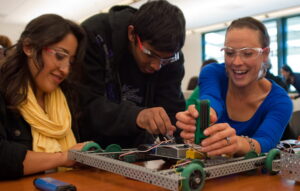
The training sessions focus on preventing common injuries through strength, balance, and flexibility exercises, emphasizing areas such as the hips, core, and upper extremities. Mulready’s students play a crucial role by learning to design and demonstrate these exercises, providing them with hands-on experience essential for their future careers.
NAU student Natalie Hess, enrolled in Mulready’s course “AT 200: Prevention of Athletic Injuries and Emergency Care,” appreciates the opportunity to apply classroom knowledge to real-world scenarios. “This volunteer experience allows us to have real hands-on experience for the injury prevention side of things,” says Hess.
Fellow student Alix Henning echoes this sentiment, noting the importance of developing comprehensive rehabilitation programs tailored to the unpredictable nature of firefighting. “It is really important to strengthen every aspect of movement to prevent injuries in the middle of an emergency situation,” Henning adds.
Training Beyond Physical Exercises
Beyond physical exercises, Mulready and her students educate recruits on vital health principles necessary for their demanding roles. For instance, hydration is emphasized as a critical component, especially for firefighters working in extreme heat while wearing heavy gear.
“Some collegiate football players have to pass a hydration check before they can go to practice the next day,” Mulready notes. “Firefighters need the same kind of checks in place to stay safe.”
Mulready aims to expand her training services to include other first responder academies in the region, such as those in Winslow, Sedona, and Prescott. Her vision includes adding seminars on sleep, nutrition, and recovery techniques, further aligning the care of first responders with that of professional athletes.
Ultimately, Mulready’s goal is to equip first responders with the knowledge and skills necessary to remain injury-free and excel in their physically demanding roles. “Whether you’re in baseball or firefighting, you’re doing physical work, and you need to protect yourself,” she concludes.
Read More Here