
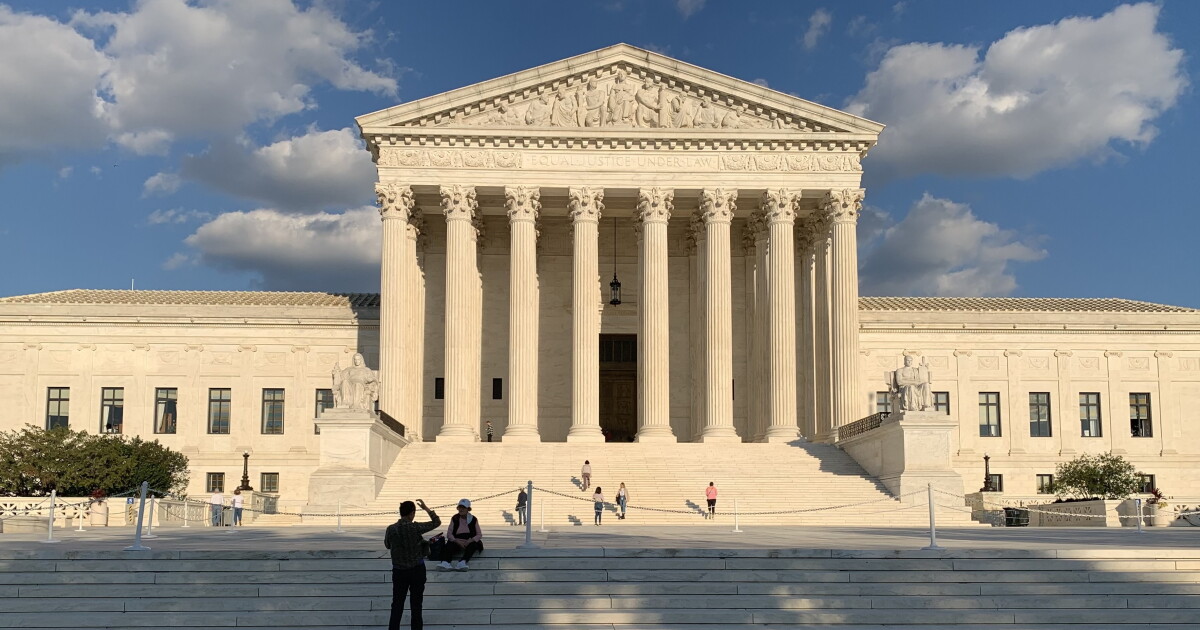
A legal battle over whether the U.S. government can block migrants from seeking asylum at the southern border is now heading to the nation’s highest court — a decision that could affect thousands of people waiting to have their cases heard. The outcome will likely shape the future of asylum law in the United States for years to come.
The U.S. Supreme Court is expected to take up the case next spring, following challenges brought by legal aid organizations that sued after President Donald Trump signed a Day 1 proclamation declaring an invasion at the U.S.-Mexico border and effectively shutting down the asylum process. That move came despite a federal statute that explicitly guarantees individuals the right to seek asylum protection.
The proclamation immediately cut off access for migrants who had been waiting — in some cases for months — for scheduled appointments with border officers in cities like Nogales. Many of those individuals had been using CBP One, a Biden-era app-based system that allowed asylum seekers to book appointments at ports of entry. Those appointments were canceled without warning when the proclamation took effect.
Lower Courts Have Already Pushed Back
Federal courts at the lower level have already ruled against the proclamation, finding that it violates both due process rights and existing immigration law. Those rulings set the stage for the Supreme Court review that is now on the horizon.
It is worth noting that the asylum landscape was already narrowing before Trump returned to office. The Biden administration had put in place its own restrictions on asylum, which had already reduced the number of people able to seek protection at the border.
Deportation Pressures on Those Already in the U.S.
Beyond those attempting to enter at the border, asylum seekers who are already inside the United States and still working through their immigration cases have also faced increased pressure. Many have been targeted for deportation even while their legal proceedings remain open and unresolved.
The issue extends to children as well. According to a recent report from the Fronteras Desk by Alisa Reznick, it has now been 100 days since federal funding for immigrant children’s legal services was cut, leaving thousands of cases in limbo. A lawsuit filed last month alleges the Trump administration began fast-tracking deportations for immigrant children through a series of changes at Citizenship and Immigration Services.
On the legislative front, Arizona’s Senator Ruben Gallego and other Democratic members of the state’s congressional delegation recently traveled to Washington to advocate for immigration reform, signaling that some Democrats believe the party must demonstrate strength on border policy to remain competitive. That reporting was filed by Camryn Sanchez.
Meanwhile, Mexico’s president has weighed in on the broader migration picture. As Nina Kravinsky reported for the Fronteras Desk, President Claudia Sheinbaum stated that none of the migrant caravans that have formed in Mexico since the start of Trump’s second term have reached the U.S.-Mexico border, even as Trump has threatened higher tariffs.
Closer to home, two Argentinian acrobatics performers were detained by ICE at Phoenix Sky Harbor Airport. Friends say the performers, Agustin Baccega and Gustavo Romanello, had been based in Phoenix before relocating to Florida for work.
In a separate development, the Department of Homeland Security may direct significant resources toward immigration infrastructure in Arizona. As Wayne Schutsky reported, ICE could pay the city of Surprise more than $8 million for water and related services to support a proposed detention center, according to a draft report from the agency that found the facility would substantially increase local water demand.







Comments are closed.